How Parent Trust in Education Is Earned Before the First PTM
Discover how teachers earn parent trust before the first PTM through communication, professionalism, empathy, and consistent classroom practices.
EARLY CHILDHOOD EDUCATORS
LevelUp Online Education
7/20/20264 min read
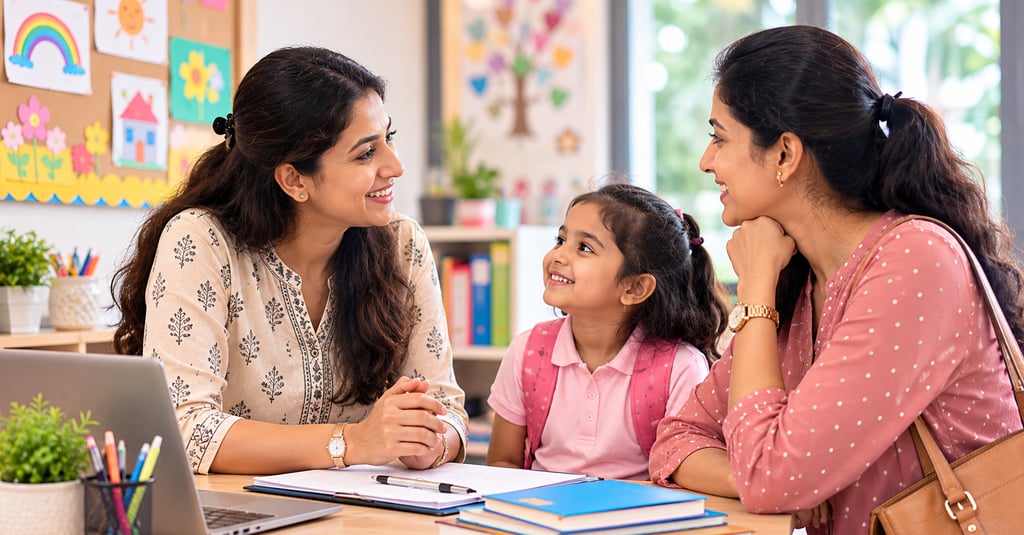

Teaching is not just about educating children. It is also about building meaningful relationships with parents. Long before the first Parent-Teacher Meeting (PTM) takes place, parents begin forming opinions about a teacher. These impressions are based on communication, professionalism, consistency, and the overall learning experience their child brings home every day.
Building parent trust in education is not something that happens during a single meeting. It is earned gradually through small actions that demonstrate care, competence, and commitment. When parents trust a teacher, they become active partners in their child's learning journey, creating a stronger support system for academic and emotional growth.
The good news is that trust does not require grand gestures. It grows through everyday interactions that make parents feel confident that their child is in capable hands.
Trust Begins on the Very First Day
Parents often experience mixed emotions when their child starts a new academic year. Along with excitement, there is uncertainty.
Questions naturally arise:
Will my child feel comfortable?
Will the teacher understand my child's needs?
Will learning be enjoyable?
Will my child receive individual attention?
Although these questions may never be asked directly, parents look for signs that reassure them.
A warm welcome, clear communication, and an organized classroom immediately create a positive first impression.
Children often carry these first experiences home through their stories, enthusiasm, and emotions.
Parents listen carefully.
Children Become the First Messengers
Before parents ever meet a teacher, they hear about the classroom from their children.
Young learners often talk about:
Fun classroom activities
Stories shared by the teacher
Encouraging words
New friendships
Interesting lessons
Classroom routines
These conversations quietly shape parental confidence.
When children return home feeling happy, motivated, and excited to attend school the next day, parents naturally begin trusting the teacher behind those positive experiences.
The classroom speaks through the child.
Clear Communication Reduces Uncertainty
Parents appreciate knowing what is happening in their child's learning journey.
Simple communication creates reassurance.
Teachers who regularly share:
Weekly classroom updates
Learning objectives
Homework expectations
Activity highlights
Upcoming events
Classroom achievements
help parents stay connected without overwhelming them.
Consistent communication eliminates unnecessary confusion and builds transparency.
When parents know what to expect, trust develops naturally.
Professionalism Is Visible in Everyday Actions
Parents notice professionalism even before meeting a teacher personally.
Professionalism is reflected through:
Timely responses
Well-organized classroom planning
Respectful communication
Consistent classroom routines
Prepared lessons
Positive attitude
These qualities reassure parents that their child is learning in a structured and caring environment.
Professionalism creates confidence without needing constant explanation.
Consistency Builds Confidence
Trust cannot grow if experiences constantly change.
Parents value consistency because it creates predictability.
When teachers consistently:
Start classes on time
Follow classroom routines
Apply rules fairly
Communicate regularly
Encourage every student
Maintain positive discipline
parents begin believing that their child is receiving dependable guidance.
Consistency is often more powerful than perfection.
Parents Notice Emotional Growth
Academic progress is important, but parents also observe emotional development.
Many parents ask questions like:
Is my child becoming more confident?
Does my child enjoy learning?
Is my child making friends?
Does my child participate more?
Is my child becoming independent?
Teachers who encourage confidence, curiosity, kindness, and resilience help children grow beyond textbooks.
Parents deeply value this transformation.
When children become happier learners, trust strengthens automatically.
Small Personal Touches Make a Big Difference
Parents appreciate teachers who recognize children as individuals rather than just students.
Simple actions create meaningful impact:
Remembering a child's interests
Appreciating effort
Celebrating improvements
Encouraging shy learners
Recognizing achievements
Supporting struggling students
Personal attention makes families feel that their child truly matters.
This emotional connection cannot be replaced by technology or standardized teaching methods.
Positive Communication During Challenges
Every child experiences learning difficulties at some point.
The way teachers communicate these challenges determines whether trust grows or weakens.
Parents respond positively when teachers:
Focus on solutions rather than problems
Share observations objectively
Offer practical suggestions
Encourage collaboration
Recognize strengths alongside challenges
Constructive conversations prevent misunderstandings and strengthen partnerships.
Parents want teachers who work with them, not against them.
Digital Communication Shapes Modern Relationships
Today's teachers often communicate through:
School apps
WhatsApp groups
Email
Parent portals
Learning platforms
Online meetings
Digital communication has become an important extension of the classroom.
Professional, respectful, and timely digital interactions demonstrate reliability.
Even a simple classroom photo, learning update, or reminder helps parents feel involved in their child's education.
Technology strengthens relationships when used thoughtfully.
Classroom Environment Reflects Teacher Values
Parents may not see the classroom every day, but they notice its impact.
An engaging classroom encourages:
Curiosity
Creativity
Respect
Participation
Collaboration
Confidence
Children often describe classroom experiences at home.
These descriptions help parents understand the teacher's approach.
A positive learning environment creates confidence long before formal meetings take place.
Listening Creates Stronger Partnerships
Trust grows when parents feel heard.
Teachers who genuinely listen to parental concerns create respectful partnerships.
Effective listening involves:
Giving parents time to speak
Acknowledging concerns
Asking clarifying questions
Avoiding assumptions
Responding calmly
Following up when needed
Listening communicates respect.
Respect strengthens trust.
Transparency Builds Long-Term Relationships
Parents do not expect perfection.
They expect honesty.
When teachers communicate openly about both achievements and areas for improvement, parents appreciate the transparency.
Sharing realistic expectations creates credibility.
Trust grows when parents believe they are receiving accurate information rather than only positive updates.
Honest communication strengthens long-term collaboration.
The First PTM Becomes a Continuation, Not a Beginning
Many people assume the Parent-Teacher Meeting is where relationships begin.
In reality, the first PTM simply confirms everything parents have already experienced.
If trust has already been established through consistent communication, professionalism, empathy, and student happiness, the meeting becomes comfortable and productive.
Instead of building trust from scratch, teachers deepen an existing relationship.
Meaningful conversations replace formal introductions.
The PTM becomes an opportunity to discuss growth rather than address uncertainty.
Every Interaction Shapes Your Professional Reputation
Parents naturally share positive educational experiences with other families.
When teachers consistently create trust, their reputation grows through genuine recommendations.
Schools benefit from stronger parent satisfaction.
Teachers gain greater professional credibility.
Families become long-term supporters.
This reputation is built one conversation, one classroom experience, and one thoughtful interaction at a time.
Trust spreads through authentic experiences rather than promotional messages.
Final Thoughts
Strong education is built on partnerships, and every successful partnership begins with trust.
Developing parent trust in education does not start during the first Parent-Teacher Meeting. It begins much earlier through everyday moments that demonstrate professionalism, empathy, consistency, and genuine care for every child.
Parents are not only evaluating academic performance. They are observing how their children feel, how they grow, and how confidently they return home each day.
When teachers communicate openly, listen actively, create positive classroom experiences, and consistently support every learner, trust develops naturally.
The most successful educators understand that every interaction matters. A welcoming smile, a thoughtful classroom update, an encouraging word to a child, or a timely response to a parent may seem like small actions, but together they create lasting confidence.
Long before parents sit across the table at the first PTM, they have already decided whether they trust the teacher leading their child's learning journey.
Northern Hills Supremus, A-306, Opp. Northern Heights, Dahisar East, Mumbai, Maharashtra 400068
LevelUp
admissions@leveluponline.in
© 2026. All rights reserved


levelup_online_education




LevelUp Online Education